Data Bending
Databending is the altering raw data to influence the way the data is interpreted by computer programs. Databending is commonly used with sound and image files to create effects that are exclusively digital in nature.
Different image formats encode data in different ways, making changes to an image file will result in different kinds of effect, depending on the format. Some formats break easily, others require large alterations to show any change at all. Some formats also break in very predictable ways, while other formats create unstable, unpredictable outcomes.
GLITCH TOOL
https://github.com/tobloef/glitch-tool
http://datamoshing.com/tag/databending/
PNG
PNG files break very easily and very noticeably.
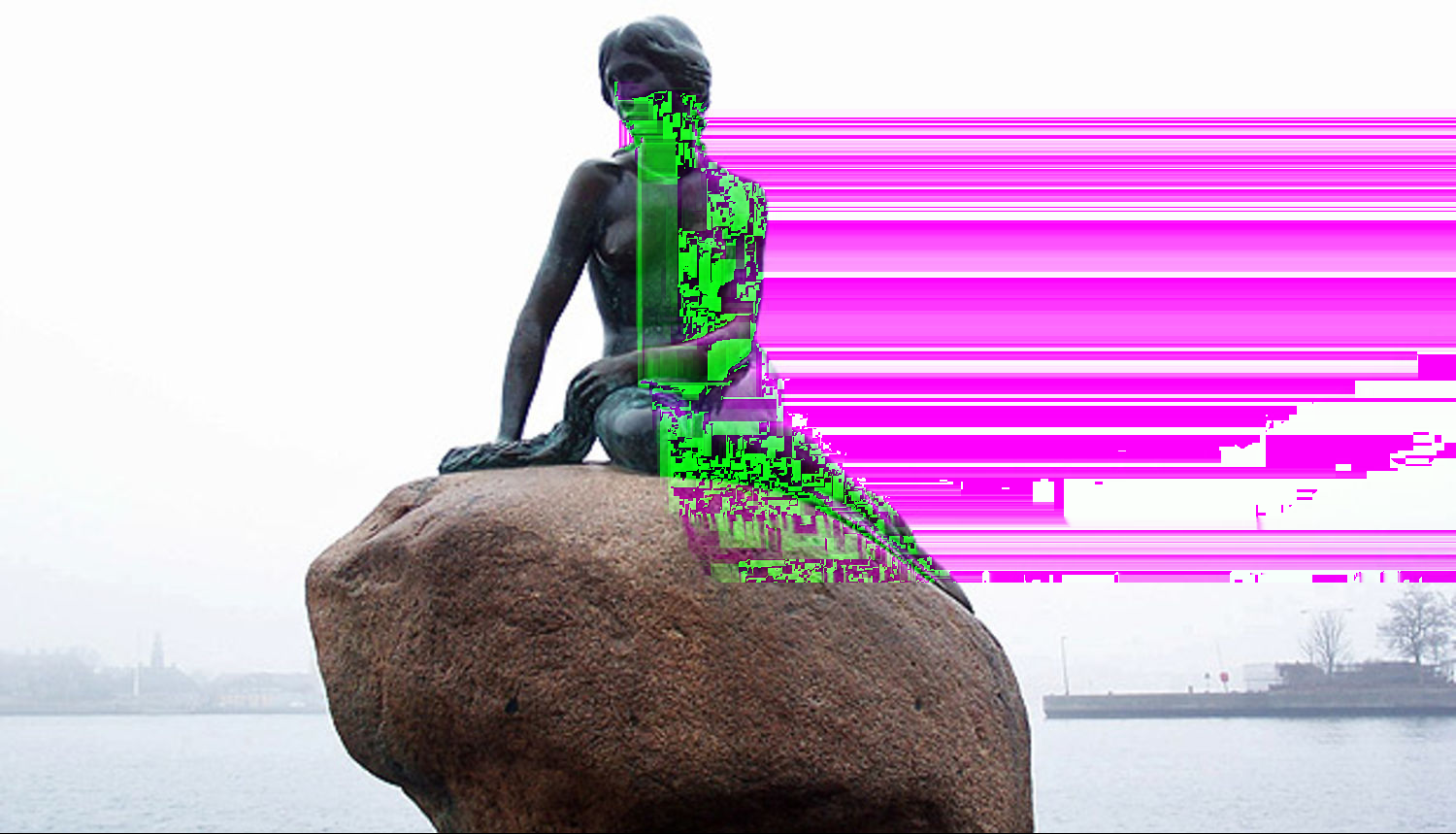
(Tobias Løfgren)
JPG
Making just a single small change to a JPG file won’t do much, you’ll probably only see a slight discolouration somewhere in the image. To create interesting effects with JPGs, you either have to do many changes or bigger changes. Moving around big chunks of the data is a good way to do this.
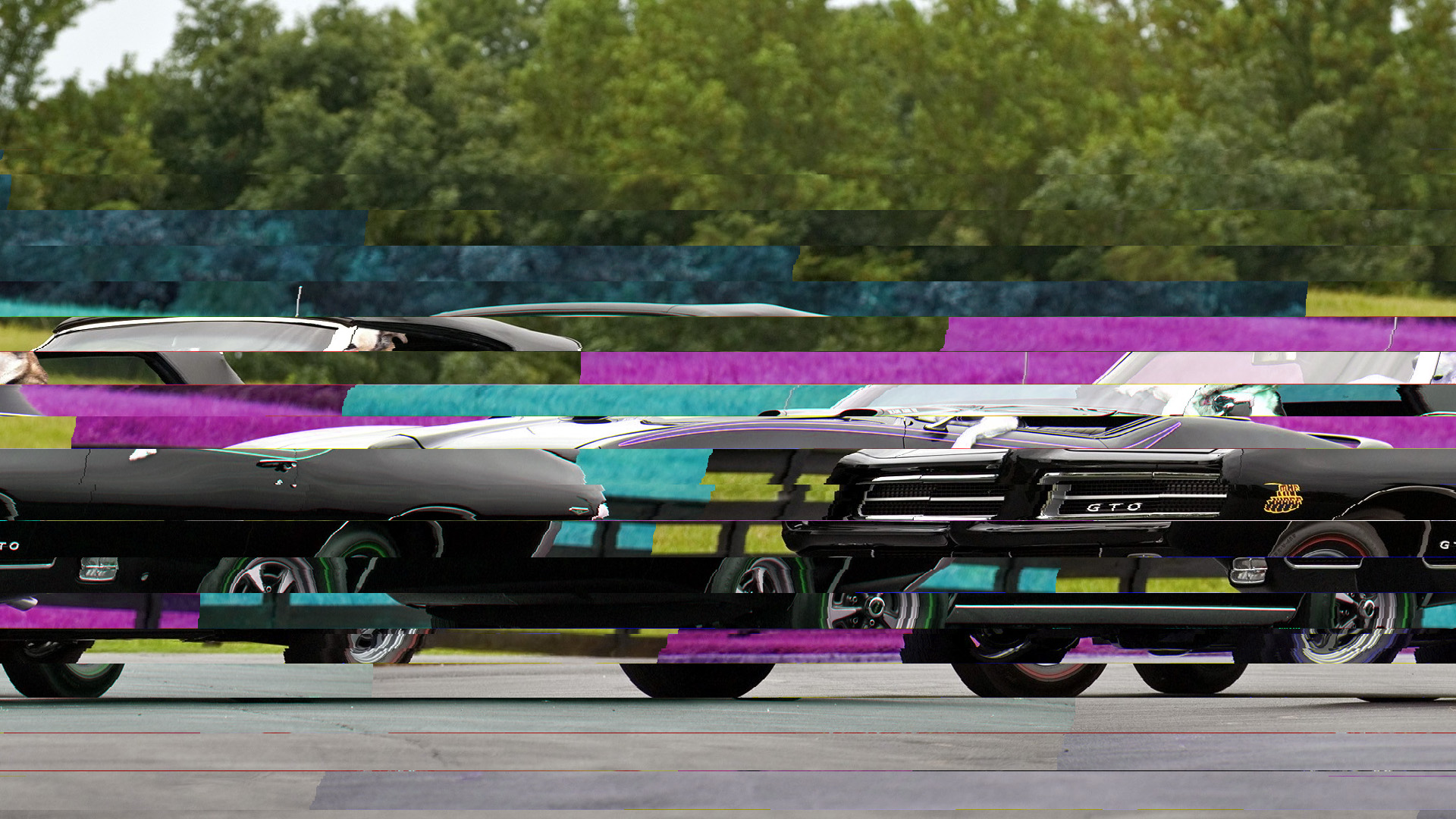
(Tobias Løfgren)
PSD
Glitches created with PSD files usually change around the position of parts of each colour channel. By varying the size of the data chunks you change, you can change the size of the moved segments.
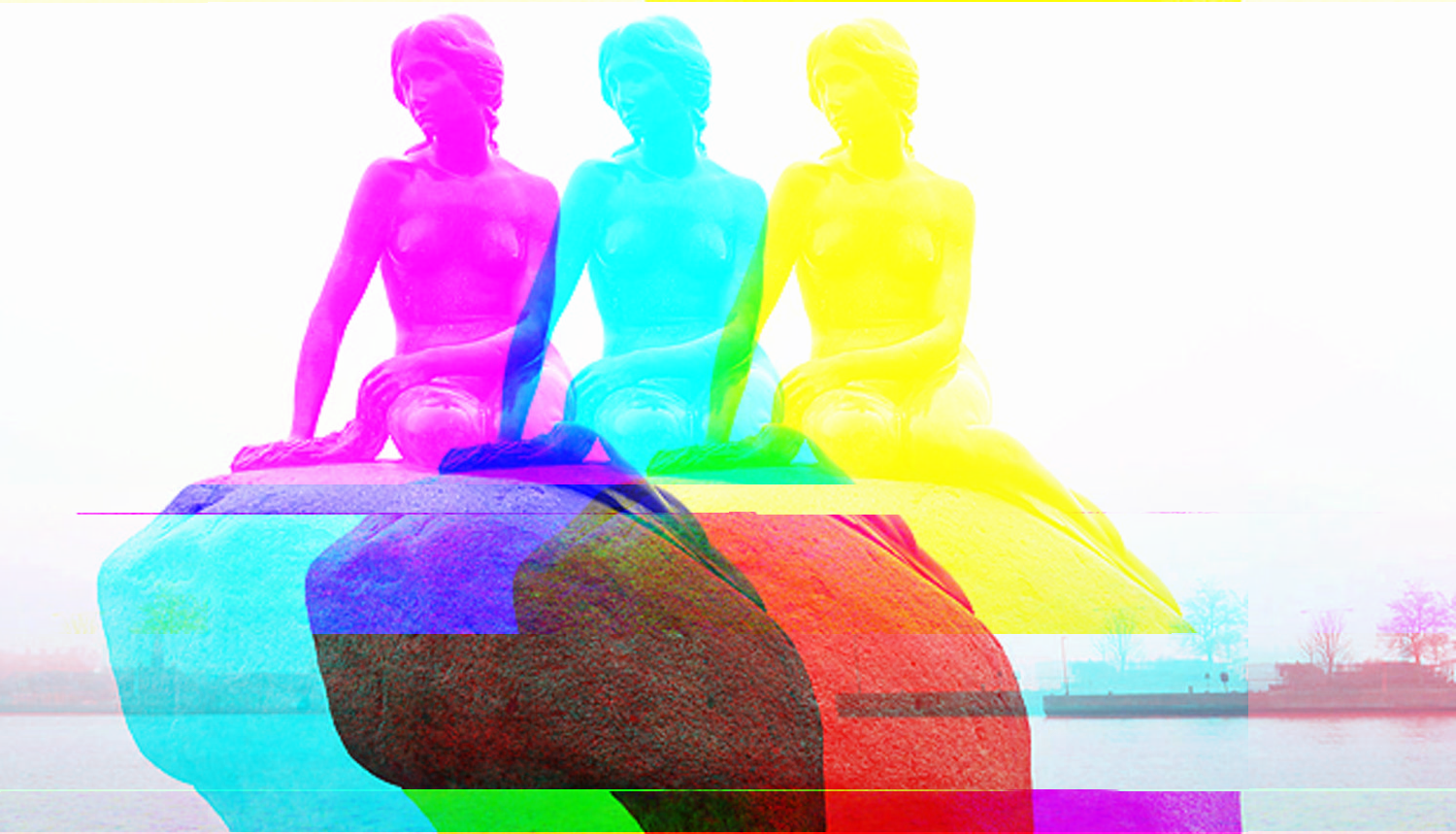
(Tobias Løfgren)
TIFF

No comments:
Post a Comment